

Yumbah’s Chief Executive, David Wood, has called on the South Australian government to take action to prevent such situations.
Yumbah Aquaculture

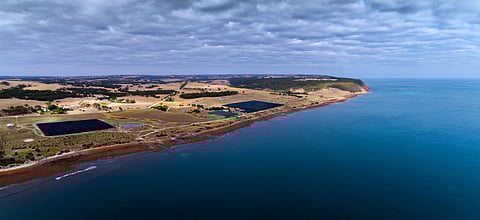
Yumbah Aquaculture has confirmed the closure of its abalone farming facility on Kangaroo Island (KI), located in South Australia, due to the cumulative impact of the harmful algal bloom (HAB).
The presence of brevetoxin has also affected the company’s ability to harvest abalone, along with the impact of this phenomenon on fish survival and growth. Altogether, this has "significantly" reduced the existing biomass.
"KI is part of Yumbah's DNA. It is an industry landmark. This is a difficult decision: to close a historic business that has successfully weathered some of the toughest storms in aquaculture," said Yumbah's Chief Executive Officer, David Wood.
Yumbah has been present on the island for 30 years, with a team of 15 people who have already been offered short-term retention incentives, opportunities for redeployment to other sites, and access to external support services.
"The team of 15 has consistently produced high-quality abalone throughout this time. They deserve great recognition for their skills and commitment," said Wood.
According to the company, the facility, which historically produced an average of 175 tonnes of abalone annually, will be dismantled and decommissioned over the next three months, unless alternative uses are proposed, such as a HAB research base.
Finally, the Chief Executive has confirmed that Yumbah will continue producing kingfish, mussels, abalone, and oysters in South Australia and across the country.
Yumbah Aquaculture's oysters were the first in Australia to receive Best Aquaculture Practices (BAP) certification last year. The announcement came just days after unveiling Japan’s first BAP-certified oyster producer.
