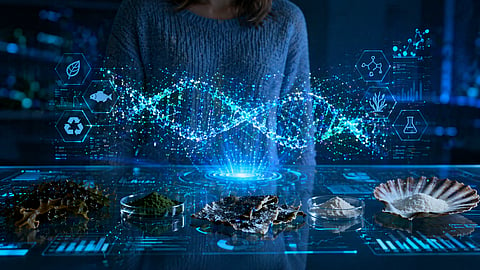


The BLUEVALSTEP project, led by B2E – Blue Bioeconomy CoLAB, will map resources, capabilities and value chains linked to blue biotechnology.
Image: B2E – Blue Bioeconomy CoLAB

A new study in Portugal is set to examine how fish by-products such as skin, bones, viscera and shells could be put to higher-value use, as part of a wider effort to strengthen the country’s blue biotechnology sector.
The BLUEVALSTEP project, led by B2E – Blue Bioeconomy CoLAB, will use these underutilised marine sidestreams as a case study to analyse the resources, capabilities and value chains linked to blue biotechnology in Portugal. According to the organisation, the aim is to provide a stronger basis for public policy, funding and investment in an area that still remains relatively under-structured.
In its first phase, B2E said, the study will identify existing resources, map the scientific and industrial capabilities already in place in Portugal, and assess how value chains connected to marine co-product valorisation are organised, including the technologies involved.
The aim is to provide a "clearer understanding" of how the sector is structured, the organisers say, "helping to identify gaps, constraints and opportunities, while strengthening the knowledge base on blue biotechnology," and identify ways to reduce waste, improve circularity and build innovation capacity within the blue bioeconomy.
"A better understanding of resources and capabilities is a critical step in supporting the sector’s development," B2E points out.
In support of this, in addition to mapping the sector, the project aims to create tools to help authorities and investors decide where support is most needed, proposing a clearer way of defining the activities that make up blue biotechnology and a set of indicators for tracking how the sector develops.
Researchers will also examine how fish by-products move through the supply chain, from processors to companies that turn them into new products. The goal is to show where the sector is working well, where the gaps or bottlenecks are, and where better links could help it grow.
Together, B2E said, the findings should offer a clearer view of how Portugal can make better use of marine by-products, cut waste and support new business opportunities in blue biotechnology.
"Leading this project reinforces B2E CoLAB’s ongoing work in structuring and characterising the blue bioeconomy in Portugal, including initiatives such as the Fish Matter platform and its involvement in strategic dynamics linked to biotechnology and circularity," the organisation said.
The project builds on wider work by B2E linked to the sustainable use of marine resources and circularity in the blue bioeconomy. As previously reported by WeAreAquaculture, the organisation has also recently launched AERO2cycle, a separate project involving the use of fishery by-products including scales, skin and bones in materials being developed for CO₂ capture and upcycling.
The BLUEVALSTEP project is funded under the Portugal 2030 programme, and is also aligned with Strategic Technologies for Europe Platform (STEP), an EU initiative intended to help member states identify and back technologies considered strategically important for the future of Europe’s economy and industry.
B2E – Blue Bioeconomy CoLAB is a private non-profit association focused on transferring knowledge between science, industry and society, with an emphasis on the sustainable valorisation of marine resources, bringing together companies, universities and research centres working across blue biotechnology, aquaculture and marine living resources.
