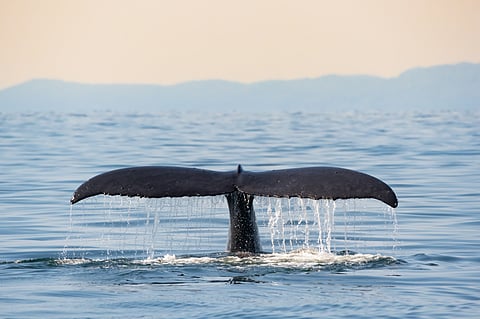


Humpback whale pictured off the coast of Vancouver, British Columbia, Canada.
Photo: Adobe Stock

Canada has launched a national strategy to encourage the use of whale-safe fishing gear, as part of a drive to protect endangered whale populations while supporting coastal fishing communities.
The Whalesafe Fishing Gear Strategy, announced this week by Fisheries and Oceans Canada, sets out a five-year framework for introducing new gear technologies in fisheries where the risk of whale entanglement is highest. The Canadian government says the plan is intended to help fisheries coexist with species such as the North Atlantic right whale, which remains at risk from interactions with fixed fishing gear.
According to the department, the strategy will guide collaboration with harvesters to test and adopt tools including on-demand, or ropeless, fishing gear. Such systems are designed to reduce the amount of rope in the water column, which is a major cause of whale entanglements. Other measures are intended to lessen the impact on whales if entanglements occur.
The government said whale-safe gear is a key component of its broader approach to recovering endangered whale populations, while maintaining the long-term viability and competitiveness of Canadian fisheries.
Development of the plan followed consultations with fishers, gear manufacturers, Indigenous groups, non-governmental organisations and whale experts, which Fisheries and Oceans Canada said aimed to ensure the proposed measures are "practical, reliable, and workable on the water."
“Harvesters have been leading the way on safer gear and innovative fishing practices for years,” said fisheries minister Joanne Thompson, launching the strategy. “This Whalesafe Fishing Gear Strategy builds on that work, bringing more tools into the fisheries where they can help reduce entanglements, protect whales, and keep crews safe on the water.”
The initial focus will be on fisheries on Canada’s east coast, where right whale interactions have been a particular concern. The department says appropriate measures are expected to be identified and rolled out nationwide by 2030. Pilot projects are already under way in some eastern fisheries, allowing continued fishing in areas closed because of whale sightings when approved whale-safe gear modifications are used.
The strategy draws on the results of previous gear trials and feedback from the fishing industry and other stakeholders. Between 2021 and 2023, Canada's federal government supported 34 projects through a CAD 20 million Whalesafe Gear Adoption Fund, alongside additional support from programmes such as the Atlantic Fisheries Fund and the Canada Nature Fund for Aquatic Species at Risk.
